

3D Virtual Tours for Venues: Help Visitors Choose with Confidence
By the TourGuide3D team · Published 1 October 2026
A couple shortlisting wedding venues. An event planner comparing function spaces. A family choosing accommodation. A teacher organising a school camp.
Each is trying to picture an experience before committing to it. Your photographs create interest, but practical questions remain: how do the spaces connect? What does the room actually feel like? Will this place work for our group?
A 3D virtual tour helps people explore your venue remotely. A guided experience adds direction and relevant information, helping visitors understand what they are seeing and decide what to do next.
For venue owners and marketing teams, that creates an opportunity to make your website more useful, your enquiries more informed and your spaces easier to choose.
TourGuide3D brings that approach to venues, hotels, restaurants, visitor attractions and cultural spaces. Camp Quaranup in Western Australia shows how it works across several audiences within one property.
What is TourGuide3D, and what does it add to a venue tour?
TourGuide3D, or TG3D, is a platform that adds a guided presentation and interaction layer to Matterport 3D tours. It helps organise a scanned space into an experience with routes, information and opportunities to enquire.
For a venue, the distinction is practical. A visitor can explore the property, follow a route designed around their interests, and encounter useful details alongside the spaces being considered.
Depending on the project, that experience can include:
- Guided pathways organised around different reasons to visit.
- Free exploration for people who want to look around independently.
- Contextual content that explains rooms, facilities and experiences.
- Enquiry or booking forms connected to the visitor's next step.
- AI Concierge functionality to help answer visitor questions.
The starting point is your customer's decision. Which spaces must they understand, which questions need answering, and what would help them move forward?
Help visitors understand the space before they shortlist it
A photograph can show a beautiful dining room. A walkthrough helps someone understand where that room sits in relation to the entrance, terrace and accommodation.
Those connections matter when people are evaluating suitability. An organiser may love your main event space but still need to see where delegates will gather between sessions. A wedding couple may be considering the movement from ceremony to reception. A family may want to understand the layout of a shared accommodation area.
A well-planned virtual venue tour can help visitors:
- Understand the layout: see how rooms and outdoor areas relate.
- Compare spaces: revisit options before making an enquiry.
- Check practical details: identify the facilities they need to discuss.
- Share the decision: send the same view to partners, colleagues or committees.
That last benefit is easy to overlook. The person researching your venue may need to persuade several others. Giving them a shared visual reference makes your venue easier to explain internally.
The result you are aiming for is a better conversation: “Could we use this room for our group?” rather than “We're not sure what you have.”
Guide each audience towards the spaces that matter to them
Different customers need different introductions to the same venue.
A conference organiser is interested in meeting rooms, breakout areas and accommodation. A wedding couple wants ceremony settings, reception options and places for photographs. A leisure guest may begin with rooms, dining and facilities.
TG3D's guided pathways let the experience reflect those different priorities. At Camp Quaranup, visitors have five starting points: Accommodation, Activities, Functions & Events, Weddings, and General Information.
That structure gives visitors a clear first choice. Someone planning a wedding can follow a relevant route without first working through the accommodation options for a school group.
The same approach can shape a tour for many properties:
- A hotel: stay, meet, celebrate or dine.
- A conference venue: main sessions, breakout spaces or delegate arrival.
- A winery: tasting, dining, weddings or private events.
- A visitor attraction: highlights, group visits or practical information.
These are possible ways to organise an experience, with the final routes designed for each venue.
Free exploration remains valuable alongside that guidance. Some people want an introduction; others already know which room they need to inspect. Offering both accommodates different stages of the decision.
Support better enquiries and more productive site visits
A virtual site visit gives prospective customers somewhere to start before they contact your team.
They can revisit a room after hours, show it to another decision-maker and work out whether the venue deserves a closer look. For interstate or international customers, that first assessment does not require travel.
For your team, the opportunity is to spend more of the conversation on the customer's event or stay. Instead of repeatedly describing the property, staff can discuss the spaces the customer has already explored.
Use the tour to support:
- Initial qualification: help visitors assess basic suitability.
- Enquiry replies: send a visual reference alongside your answer.
- Proposal discussions: point to the spaces included in an offer.
- Visit preparation: ask customers to note questions as they explore.
In-person inspections still matter. Atmosphere during service, operational arrangements and detailed requirements often need discussion on site. The tour gives that meeting a more informed starting point.
Consider a corporate retreat enquiry. The organiser has already explored the meeting room, dining area and accommodation, then shared the link with two colleagues. Your first call can begin with their preferred spaces, group requirements and dates. The tour has given everyone a common reference before the detailed planning starts.
That is a useful way to assess the investment: how much easier does it become for the right customer to understand the venue and have a productive conversation with your team?
Put useful information beside the space it explains
Visitors should not have to remember a room name, leave the tour and search a separate brochure to understand what they have just seen.
TG3D's hospitality offering includes menus and product content within the tour, while its cultural offering uses multimedia and interactive interpretation. The broader principle is straightforward: information is more useful when its connection to the space is clear.
For a venue, consider including:
- Function spaces: approved capacities, available configurations and package links.
- Accommodation: room categories, facilities and relevant booking information.
- Restaurants: menus, private dining details and reservation options.
- Attractions: interpretation, visitor information and ways to plan a visit.
These are content choices to scope for your project. Keep each item focused on a question the visitor is likely to ask at that point.
Showing an empty room alongside approved photographs of an event setup can also help customers understand its possibilities. Label those supporting images clearly so visitors can distinguish the captured space from another arrangement.
Keep details current. A helpful tour needs the same editorial care as your website's menus, packages and venue information.
Give interested visitors a relevant next step
Once someone understands a space, make it straightforward to act on that interest.
TG3D's venue solution describes integrated enquiry forms, and its hotel solution includes booking forms within the experience. The implementation should suit your existing systems and sales process.
Useful next steps might include:
- Request a proposal for a conference or private function.
- Ask about dates for a wedding.
- Continue to accommodation booking.
- Arrange an in-person inspection.
- Contact the team about a specific space.
Choose the action that matches the visitor's stage. Someone exploring a large event venue may need a conversation before they can request a detailed quote. A returning hotel guest may be ready to check a room.
TG3D also offers gated lead capture for selected content. Use that selectively: the core experience needs to provide enough value for someone to understand why they would continue.
The aim is to connect discovery with an appropriate response, while keeping the visitor's purpose clear throughout.
Where an AI Concierge can help
TG3D's AI Concierge gives visitors a way to ask questions as they explore. That can be useful when someone is comparing spaces after hours or wants a specific detail without searching through every information panel.
For your venue team, start with the questions that repeatedly interrupt an otherwise straightforward enquiry. Agree which answers the experience should provide, supply current venue information, and give people a clear route to your team when they need confirmation.
Questions about live availability, individual access needs or a bespoke event require particular care. The appropriate answer may be a contact option or a link to an authoritative booking system.
AI assistance is most useful when it helps a visitor progress through a real decision.
How the approach applies across venue types
The shared requirement is to help people understand a place before choosing it. What that means varies by venue.
Wedding venues and event spaces
Help couples and planners understand the relationship between ceremony settings, reception rooms, outdoor spaces and accommodation. Include the practical alternatives they will ask about, such as an indoor option for poor weather.
Explore Rothwood in the TG3D portfolio for a wedding-venue example.
Hotels, resorts and accommodation
Help guests compare room options and understand the wider property. For events teams, connect meeting spaces with the accommodation and facilities that support a group stay.
Explore Aloft Perth as a hotel example. For your own project, define which room categories and shared spaces deserve individual attention.
Restaurants, bars and private dining
Help diners see the setting and organisers understand private or group dining options. Make the relationship between seating, adjoining areas and the overall venue easier to assess.
Explore Stories for a hospitality example, and consider which spaces your own guests regularly ask to see.
Attractions, museums and heritage sites
Give visitors a useful introduction to the place and its stories. A tour can help someone decide what interests them and prepare questions before arriving.
The portfolio includes Fremantle Markets and Spinifex People, illustrating tourism and cultural applications.
Camps, retreats and group accommodation
Help organisers see how sleeping, dining, activity and gathering spaces relate. This is especially useful when the person researching must explain the property to a wider group.
Camp Quaranup brings several of these needs together.
Explore Camp Quaranup: one property, several visitor journeys
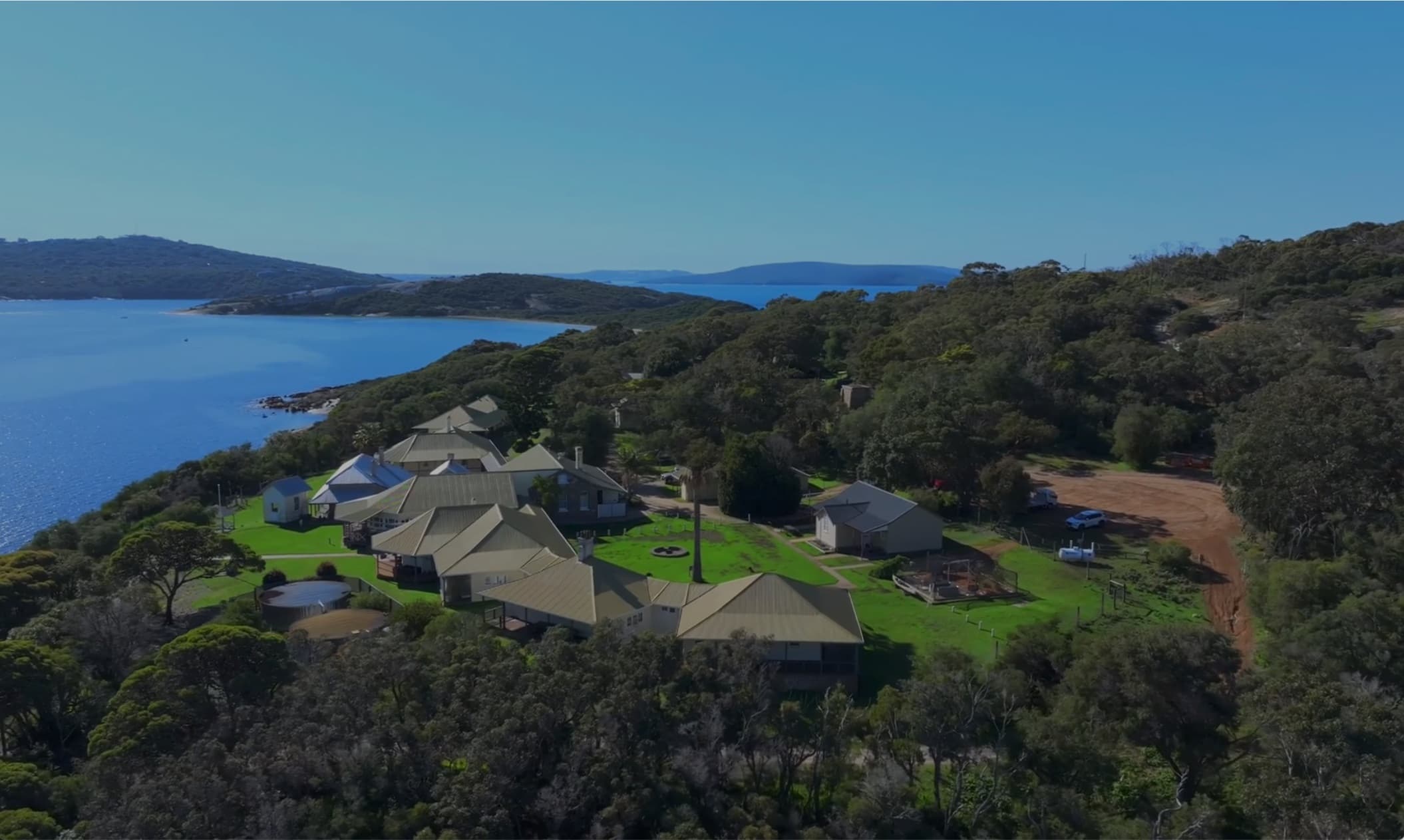
Camp Quaranup sits beside Princess Royal Harbour in Albany, Western Australia. Its heritage buildings, accommodation, activity areas and event spaces create several different reasons to visit.
That variety is also a marketing challenge. A single introduction cannot give every prospective customer the same useful starting point.
Its TG3D experience handles this with Explore and Guided modes. Explore lets visitors move independently. Guided organises the property around five purposes:
- Accommodation
- Activities
- Functions & Events
- Weddings
- General Information
Within accommodation, the route branches towards different dormitory areas. The wedding route introduces spaces including the Recreation Room, Dining Room, Jetty Precinct and Osman's Beach.
For a venue marketer, the useful lesson is the organisation. The same property becomes easier to understand through the lens of the visit someone is planning.
A school organiser can begin with the spaces relevant to a group stay. A couple can focus on the settings relevant to a wedding. Both can return to free exploration when they want to look more closely.
Try the embedded experience below. Consider the questions your own visitors bring, and which route would help them answer those questions.
Open the Camp Quaranup 3D tour in a separate window.
Make the tour part of your everyday venue marketing
A tour becomes more useful when customers encounter it at the points where they need help understanding the venue.
Place it alongside the information that prompts their questions. An event-space page is a natural home for a relevant walkthrough. An accommodation page can introduce the rooms and facilities being considered.
Then bring it into your team's routine:
- Website: pair the tour with clear descriptions and an enquiry option.
- Sales emails: include the link when answering questions about the property.
- Proposals: let decision-makers revisit the spaces under discussion.
- Campaigns: direct interested visitors to a page containing the tour.
- Pre-arrival messages: help booked guests become familiar with the venue.
Give people a short introduction before they enter: what they can explore, which route to choose and where to ask for help.
Keep essential information readable on the page as well. Visitors should be able to find key details without entering an interactive experience, and the tour should sit within a useful venue page.
Already have a Matterport tour? Start there
An existing scan is a useful starting point when considering TG3D. The platform builds on Matterport tours, so the first conversation can focus on the experience you want to create around your current model.
Check whether the captured venue still reflects the spaces customers will use. Renovations, missing areas or changed layouts may require updated capture. Other improvements may concern the routes, content and next steps around an otherwise suitable model.
Bring three things to that discussion:
- Your existing tour link.
- The questions your team answers most often.
- The business areas you want the tour to support.
That gives the project a clear purpose before the feature list grows.
What should you look for in a venue virtual tour platform?
Assess the visitor experience against your actual sales process. A compelling demonstration should also work for someone unfamiliar with your property.
Ask your team to test whether a first-time visitor can:
- Find the space relevant to their event or stay.
- Understand where it sits within the venue.
- Get the information needed to assess suitability.
- Navigate comfortably on a phone.
- Reach a useful contact or booking option.
For the project itself, clarify capture, content production, hosting, updates and responsibility for keeping information accurate. Confirm how enquiries will reach your team and what any booking integration involves.
If an AI Concierge or gated content is included, agree its purpose and the information it requires. Feature availability and implementation should be confirmed for the proposed project.
TG3D is particularly relevant to venues that need to guide several audiences through a property. Use the portfolio examples to assess that fit against your own needs.
Measure the decisions the tour helps people make
Set a baseline before launch, then review whether the tour improves the journey from interest to enquiry.
Useful measures include:
- Enquiry quality: are visitors asking more specific, relevant questions?
- Staff effort: how much time goes into repeated property explanations?
- Site visits: do customers arrive better prepared?
- Customer actions: do tour users continue to contact or booking pages?
- Commercial outcomes: which enquiries progress to proposals and bookings?
Agree the tracking setup with your website and tour teams. Available measurement will depend on the implementation and connected systems.
Compare results over a sensible period and account for changes in traffic, campaigns and seasonality. The strongest business case will come from your venue's own evidence.
Frequently asked questions about 3D virtual tours for venues
Is a guided virtual tour the same as a video walkthrough?
A video presents a fixed sequence. An interactive 3D tour lets visitors navigate and inspect a space. Guided routes add a planned introduction within that experience. At Camp Quaranup, visitors can choose Guided or Explore; the guided option does not require a scheduled staff-led call.
Can a virtual tour replace an in-person venue inspection?
It can support shortlisting and preparation, particularly for remote customers. Detailed event planning, operational requirements and final suitability checks may still need an in-person visit. Use the tour to help customers arrive informed and ready to discuss specifics.
Can visitors use the tour on a phone?
Camp Quaranup's tour works in a phone browser without an app. When commissioning your own tour, include mobile navigation, text readability and loading in the review process so the finished experience works for your audience.
How much does a venue virtual tour cost?
The total depends on capture requirements, the size and complexity of the property, content, configuration, integrations and ongoing hosting or support. Ask for a scoped proposal that separates initial production from recurring costs and future updates. A software subscription alone may not represent the complete project.
Can a tour help visitors assess accessibility?
A tour can provide a visual preview of entrances, routes and facilities. Pair it with current written access information and a clear contact option. Visitors need accurate details about their specific requirements; an image alone cannot establish whether a space will meet them.
Start with the questions your visitors need answered
Your venue's strongest features are easier to appreciate when people understand how they fit their plans.
A guided 3D tour gives them a way to explore, compare and ask better questions before they arrive. For your team, it provides a practical asset to use throughout marketing and enquiry handling.
Explore the Camp Quaranup tour, then discuss a TourGuide3D experience for your venue.